
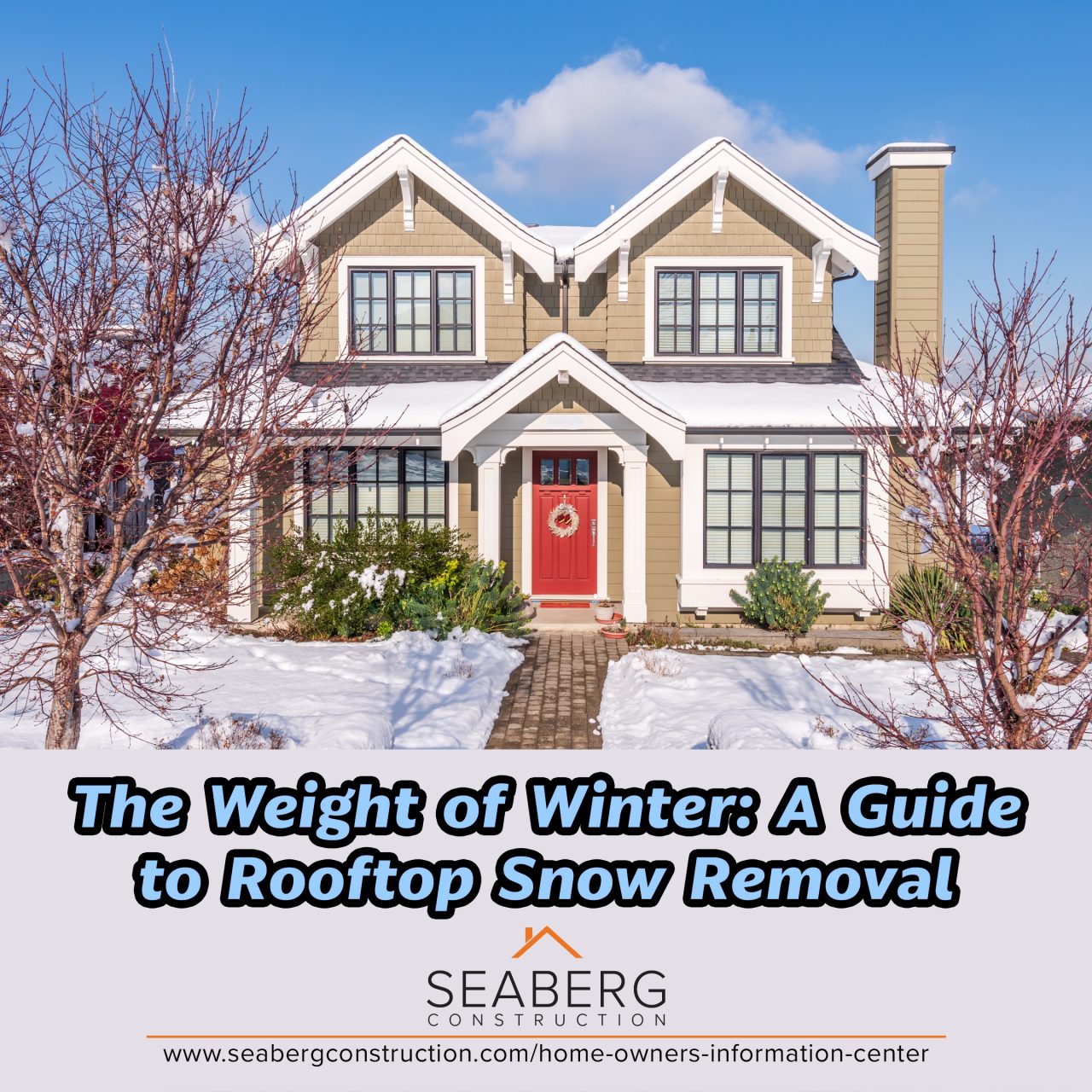
When winter arrives in New England, the landscape transforms into a scenic white wonderland. However, for homeowners, that picturesque snow represents more than just a holiday card backdrop—it represents weight, moisture, and potential structural stress.
As the snow piles up, many homeowners find themselves staring at their roofline, wondering if they should grab a ladder or call in the pros. The goal of this guide is to walk through the realities of rooftop snow without the “doom and gloom” sales tactics. Understanding the physics of your roof and the logistics of snow removal can help you make a calm, informed decision for your home.
The Science of Snow Accumulation
Before discussing removal, it is helpful to understand why snow on a roof is a concern in the first place. Not all snow is created equal. The “danger” isn’t usually the snow itself, but the water content and weight distribution.
1. Powder vs. Heart-Attack Snow
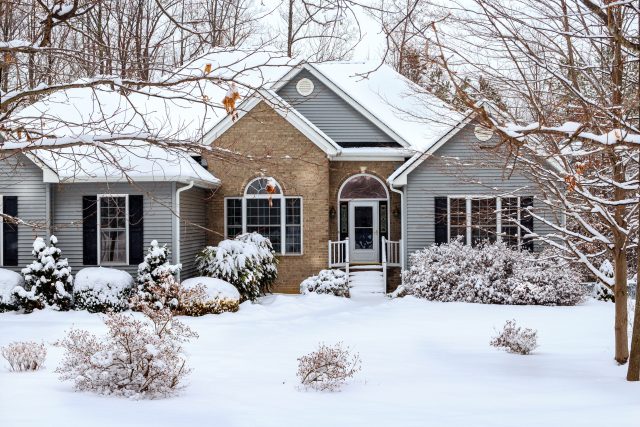
A foot of light, fluffy powder might only weigh about 3 pounds per square foot. However, if that snow is wet and heavy, or if it rains on top of existing snow, that same foot can weigh upwards of 20 pounds per square foot. Most modern roofs are designed to handle significant “snow loads,” but older homes or those with architectural complexities might reach their limit sooner than you’d think.
2. The Mechanics of Ice Dams
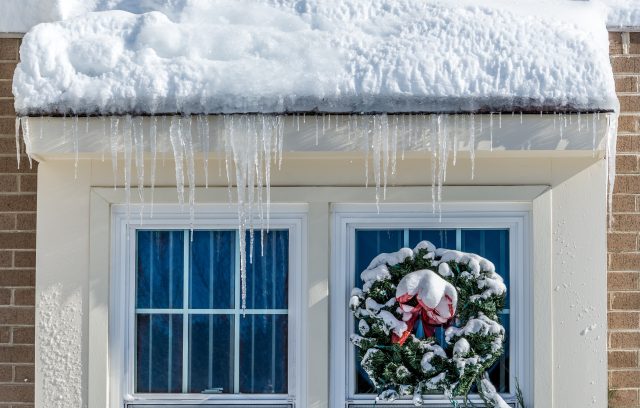
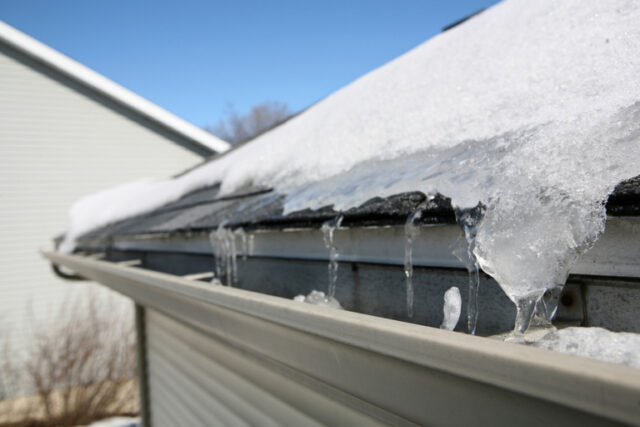
Ice dams are perhaps the most common reason homeowners seek Rooftop Snow Removal. They occur when heat from the house escapes into the attic, melting the bottom layer of snow on the roof. This meltwater runs down to the eaves (the coldest part of the roof) and refreezes.
-
The Result: A ridge of ice that prevents further meltwater from draining.
-
The Risk: Water backs up under the shingles, eventually finding its way into your ceilings and walls.
Why Professional Intervention Matters
While it’s tempting to try a “DIY” approach with a roof rake or a ladder, there are nuanced benefits to hiring a professional crew like Seaberg Construction.
Structural Integrity and Safety
The most obvious benefit is safety—not just for you, but for your home. Walking on a snowy, pitched roof is inherently dangerous. Professional crews use harness systems and specialized equipment to ensure no one ends up in the emergency room.
Furthermore, a professional knows how to remove snow. Using a metal shovel or an aggressive scraping technique can easily damage shingles, especially when they are brittle from the cold. Professionals typically leave a “buffer” layer of an inch or two of snow to ensure the roofing membrane remains untouched.
Efficiency and Flat-Rate Clarity
One of the stressors of home maintenance is the “ticking clock” of hourly rates. Modern service providers have moved toward Flat-Rate Pricing models. This removes the anxiety of a job taking longer than expected due to stubborn ice. Knowing exactly what you’ll pay—whether you have a small ranch or a large, complex colonial—allows for better financial planning during the winter months.
Assessing Your Risk: When Should You Act?
You don’t need to clear your roof after every flurry. In fact, over-clearing can sometimes cause unnecessary wear and tear. Here is a practical checklist to help you decide when it’s time to call for a quote:
-
The “Six-Inch” Rule: If you have more than six inches of heavy, wet snow, or over a foot of light powder, it’s worth monitoring.
-
Internal Warning Signs: Keep an ear out for unusual popping or creaking sounds. Check your interior doors—if they are suddenly sticking or hard to open, it could be a sign that the weight on the roof is slightly deforming the door frames.
-
Visual Ice Buildup: If you see thick icicles forming directly behind the gutters or “glaciers” hanging off the eaves, an ice dam is likely forming.
-
The Forecast: If a heavy snowstorm is followed by a “wintry mix” or rain, the weight of your roof load will double almost instantly. Removing the snow before the rain hits is a proactive move.
Chemical Mitigation: A Modern Alternative to Steaming
Many people believe that the only way to deal with ice is high-pressure steam. While steaming is effective, it can be incredibly expensive and time-consuming. An alternative is Chemical Mitigation.
Professionals can apply specialized ice-melting agents along the eaves and in drainage paths. This helps “rot” the ice dam from the inside out, creating channels for water to escape before it backs up into your home. This is often offered as a Bundle Special when combined with standard snow removal, providing a two-pronged defense against winter weather.
What to Expect During a Professional Visit
When you book a service, a reputable company will follow a standardized process to protect your property. This usually includes:
-
Site Assessment: Identifying the “drop zones” where snow can safely be pushed off without damaging shrubbery, AC units, or walkways.
-
Property Protection: Setting up barriers or covers for sensitive landscaping.
-
Controlled Removal: Starting from the top and working down, ensuring the weight is distributed evenly during the process.
-
Ground Cleanup: A professional service doesn’t just leave a mountain of snow blocking your front door; basic ground cleanup is part of the package.
Final Thoughts: Peace of Mind
At the end of the day, rooftop snow removal isn’t about fearing that your roof will collapse tomorrow. It’s about preventative maintenance. Much like changing the oil in your car, clearing your roof is an investment in the longevity of your shingles and the dryness of your attic.
By choosing a fully insured, professional crew, you trade the physical risk and the “unknown” costs for a clear roof and a solid warranty on your home’s interior.


Read Seaberg Construction’s Google reviews left by homeowners like yourself: https://tinyurl.com/kkxwhx8k
Follow us on Facebook: www.facebook.com/seabergconstruction and Instagram: www.instagram.com/seabergconstruction to stay up-to-date with our current projects and news.
To obtain your complimentary estimate from Seaberg Construction, please complete the form available on our website: https://seabergconstruction.com/about-us-roofing-company/contact-us/
And, don’t forget to read our other blog posts for more home improvement tips and ideas: http://seabergconstruction.com/home-owners-information-center/