In an era of increasingly severe weather and changing climates, “standard” building practices are no longer sufficient to guarantee the longevity of a residential property. In regions like Southern New England, residential roofing and siding must do more than simply look good; they must be engineered to withstand rapidly shifting weather patterns and intense storms. True long-term durability requires a shift toward “hardening” the home using high-performance materials and professional building science principles. By integrating research from organizations like the Insurance Institute for Business & Home Safety (IBHS) and the Building Science Corporation, homeowners can transition their property from a basic structure to a resilient fortress that prevents “avoidable suffering”.
1. Establishing the Resilience Standard: FORTIFIED Home™
The foundation of a protected home begins with adhering to standards that surpass local building codes. The Insurance Institute for Business & Home Safety (IBHS) is the primary authority defining “FORTIFIED” home standards. This organization translates rigorous science into action to inform the insurance industry and strengthen residential communities.
Implementing FORTIFIED standards involves a “Roofing Roadmap” that utilizes architectural shingles and reinforced flashing to protect homes from severe weather events like wind-driven rain, hail, and high-velocity winds. IBHS research findings—including damage investigations of significant hail events and building performance during major hurricanes—provide the scientific backing needed to demand more out of modern roofing systems. By utilizing tools like the FORTIFIED Home™ Designation Database, homeowners can verify that their properties meet elite resilience criteria designed to prevent total structural failure.
2. The New Era of Siding: Everlast Advanced Composite
While traditional materials have long been the standard, a new category of siding is taking the premium market by storm: Everlast Advanced Composite Siding. Manufactured in the USA by Chelsea Building Products, Everlast is engineered for unsurpassed durability in the harshest climates.
- Superior Material Science: Unlike fiber cement or wood, Everlast is composed of a unique combination of inorganic minerals, polymer resins, and acrylic colorants. This produces a thick, solid plank that is virtually water impermeable, meaning it will never swell, bow, split, or rot.
- Insect and Freeze Resistance: Because it contains no organic wood fibers, Everlast is naturally insect-resistant, eliminating the need for recurring and costly pest control for wood-boring insects. It is particularly suitable for locales with harsh freeze/thaw seasons, as moisture cannot penetrate the substrate.
- Aesthetic and Maintenance: Each plank features the CedarTouch finish, an authentic imprint of top-grade cedar. This is chemically bonded to a fade-resistant acrylic colorant layer, offering one of the most UV-resistant sidings available. Owners experience decades of near-zero maintenance, requiring only an occasional light wash to maintain its original luster.
- Environmental Soundness: Everlast is an environmentally sound choice; it is completely recyclable, consumes a small fraction of the energy required to manufacture fiber cement, and eliminates the need for VOC-heavy paints, stains, or caulking.

3. High-Wind Protection with CertainTeed Monogram
For homeowners prioritizing a classic look with modern performance, CertainTeed’s Monogram siding remains an industry leader. This high-quality vinyl option is designed for durability and low maintenance in any climate.
- Extreme Wind Resistance: Utilizing RigidForm™ 210 Technology, Monogram siding has been tested to withstand wind load pressures up to 210 mph.
- Structural Stability: The system features a full rollover nail hem and the patented CertaLock locking system, which provides the stability needed to resist damage from impact or high-wind accidents.
- Sustainability Initiatives: CertainTeed is a leader in green building; a recent initiative reclaimed 45,000 pounds of discarded PVC vinyl siding that would have been landfill-bound, repurposing it into raw material for new siding products.
4. Mastering the Science of Moisture and Building Integrity
Moisture is recognized as the single largest factor limiting the useful service life of a building. According to the Building Science Corporation, moisture problems are prevalent worldwide and can lead to serious health effects for occupants if not managed through a systems perspective.
- Advanced Framing and Insulation: Modern construction principles, such as those found in the Builder’s Guide to Cold Climates, emphasize unvented-conditioned attics, continuous exterior insulation, and frost-protected foundations.
- The Rainscreen Principle: Strategic moisture management utilizes water-resistive barriers (WRB) and house wraps to follow the rainscreen principle. This ensures that moisture management follows advanced engineering to protect the structure’s insulation from becoming saturated.
- Foundation and Grade Management: Referencing FEMA’s “Protecting Your Property” series provides government-verified credibility for strategies involving water diversion and below-grade water management.
5. Roofing Systems: Reliability and Efficiency
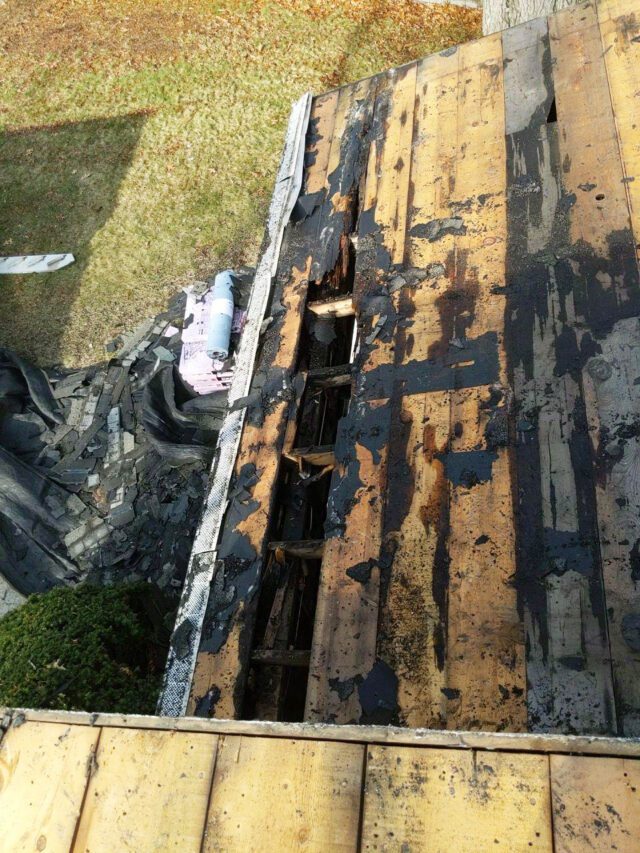
The Asphalt Roofing Manufacturers Association (ARMA) identifies asphalt as the “Material of Choice” for its beauty, affordability, and reliability. A truly durable roof must be treated as a complete system rather than just a collection of shingles.
- System Components: A high-performance roof includes architectural shingles, reinforced flashing, and proper underlayment. Products like Owens Corning TruDefinition® Duration® shingles offer specialized Nailing Zone Performance to ensure secure attachment during storms.
- Thermal Control and Ventilation: Durability is closely tied to thermal control. Using ventilation calculators ensures a balanced attic environment, allowing heat and moisture to escape. This prevents ice dams—a major threat in the Northeast that can cause hidden structural damage costing thousands.
- Sustainability in Roofing: Leading manufacturers now offer shingle recycling programs, ensuring that old roofing materials are repurposed rather than discarded.

6. Energy Efficiency and Incentives
A durable home is an efficient home. ENERGY STAR (U.S. Department of Energy) certified homes are designed to deliver better quality and durability through professional air sealing and balanced ventilation.
- Tax Credits and Rebates: Homeowners can lower energy bills and reduce emissions while taking advantage of Efficient Home Upgrades Tax Credits for residential energy efficiency.
- Enhanced Comfort: Strategies like the ENERGY STAR Home Upgrade include six high-impact improvements to save thousands while improving the overall performance of the structure.

7. The Human Element: Vetting Your Contractor
Even the most advanced materials will fail if the installation is subpar. Homeowners must be more cautious than ever when hiring, asking at least seven critical questions to avoid unfinished renovations or “temporary fixes”.
- Elite Certifications: Look for contractors with verified elite statuses. For example, Seaberg Construction is one of only six contractors in Rhode Island to hold the Owens Corning Roofing Platinum Preferred Contractor status.
- Manufacturer Alliances: Status as a CertainTeed 5-Star Siding Contractor signifies that a professional is reliable, skilled, and committed to the highest quality of work.

Conclusion: A Holistic Approach to Durability
Building a durable home is a combination of selecting advanced materials, adhering to scientific standards, and employing certified experts to tie the system together.
To visualize this, think of your home’s construction strategy as professional outdoor gear for an extreme expedition. Your internal construction guide and choice of materials are the high-performance technical shell and base layers—the core equipment you rely on to stay dry and warm. The external authorities, such as FEMA, IBHS, and ARMA, are the technical certifications (like Gore-Tex or Vibram) and professional gear reviews. They prove that your gear has been tested in the harshest conditions by experts, giving you the confidence that your “equipment” will not fail when the storm hits.
📞 Schedule your free, no-obligation estimate today with Seaberg Construction by calling 401-499-3891 and discover how our renovations protect your New England home.

Read Seaberg Construction’s Google reviews left by homeowners like yourself: https://tinyurl.com/kkxwhx8k
Follow us on Facebook: www.facebook.com/seabergconstruction and Instagram: www.instagram.com/seabergconstruction to stay up-to-date with our current projects and news.
To obtain your complimentary estimate from Seaberg Construction, please complete the form available on our website: https://seabergconstruction.com/about-us-roofing-company/contact-us/
And, don’t forget to read our other blog posts for more home improvement tips and ideas: http://seabergconstruction.com/home-owners-information-center/