
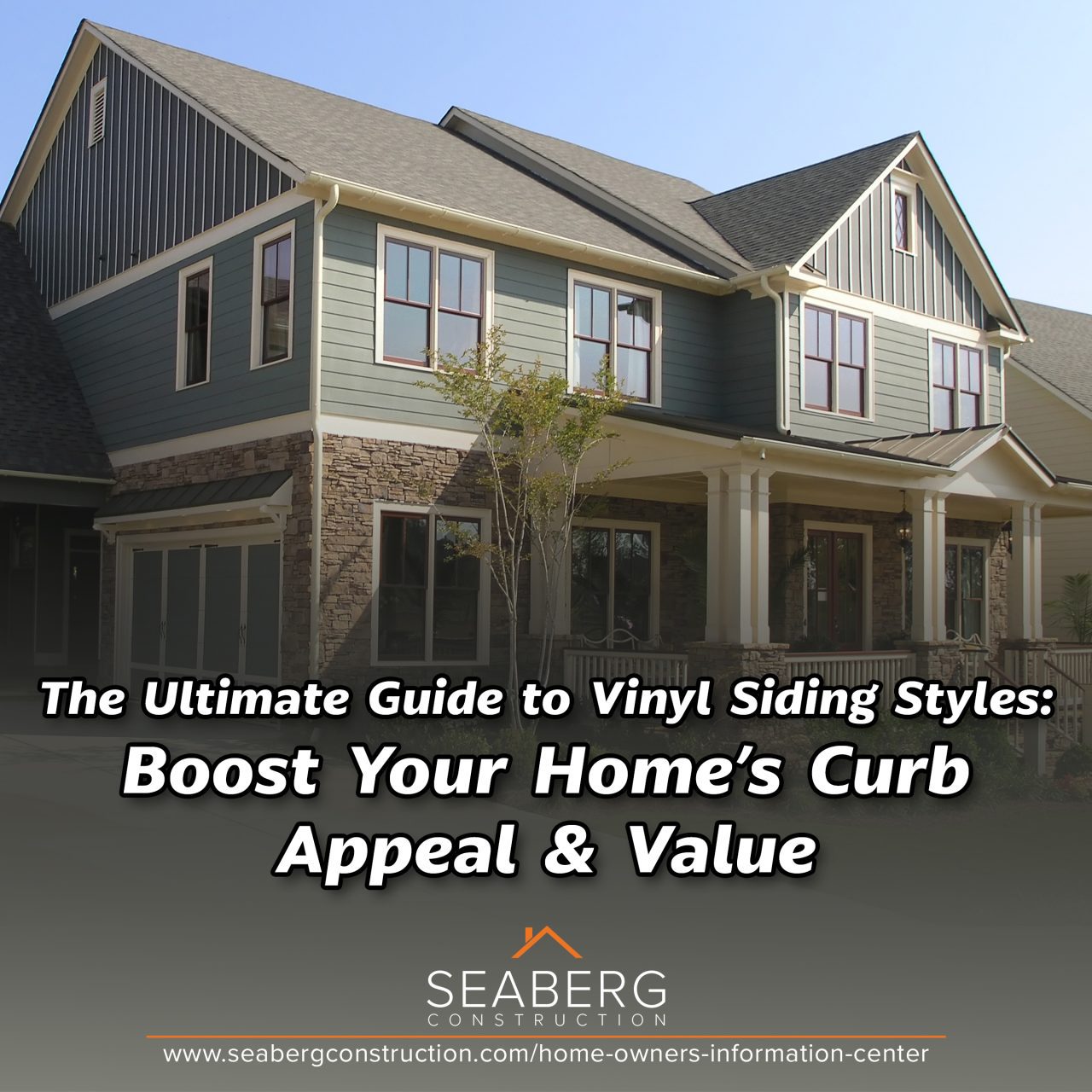
The Ultimate Guide to Vinyl Siding Styles: Boost Your Home’s Curb Appeal & Value
Choosing the right exterior siding is one of the most impactful decisions you can make for your home. It affects not only your property’s protection against the elements, but also its energy efficiency, maintenance demands, and overall curb appeal.
Among all exterior cladding materials, vinyl siding remains the undisputed favorite across North America. Modern engineering has evolved vinyl far beyond the plain, plastic-looking panels of decades past. Today’s vinyl siding offers sophisticated textures, rich architectural profiles, and incredible durability that mimics natural wood—without the high maintenance cost.
Whether you are remodeling a historic New England home, building a modern farmhouse, or giving a suburban split-level a fresh look, here is your definitive guide to the top styles of vinyl siding available today.
1. Horizontal Lap Siding
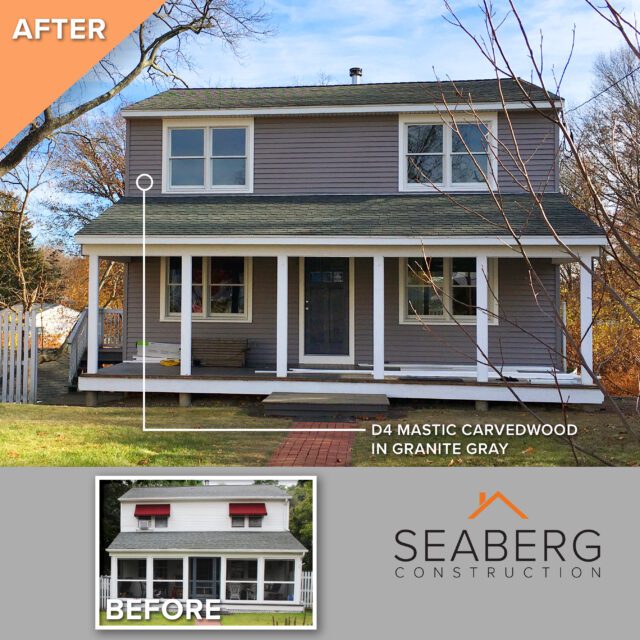
Horizontal siding is the most classic and widely recognized exterior cladding style. It works seamlessly across virtually all architectural designs, from traditional Colonial to modern Craftsman.
Traditional Clapboard
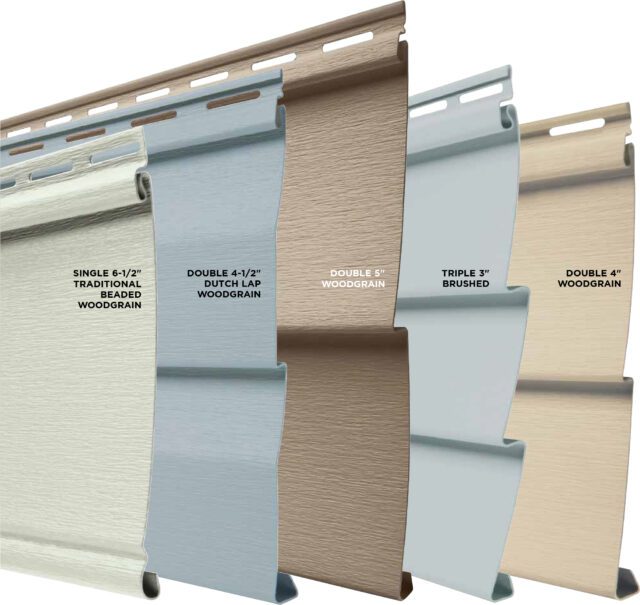
Clapboard consists of long, thin wooden-style boards nailed horizontally. Each board overlaps the one below it at a slight angle, allowing rain and moisture to shed off easily.
-
Best For: Colonial, Traditional, Cape Cod, and Ranch-style homes.
-
Key Feature: Clean, classic lines that offer a timeless, clean silhouette.
Dutch Lap Siding
Dutch lap features a subtle groove cut into the top edge of each horizontal board. This notch creates a distinct shadow line across the panel, giving the exterior a carved, custom-crafted appearance.
-
Best For: Mid-century homes, Victorian styles, and traditional residences needing added dimensional texture.
-
Key Feature: Stronger shadow lines and depth compared to standard clapboard.
2. Vertical Vinyl Siding
Vertical siding flips the traditional horizontal orientation on its head to create striking architectural lines and add visual height to a building.
Board and Batten
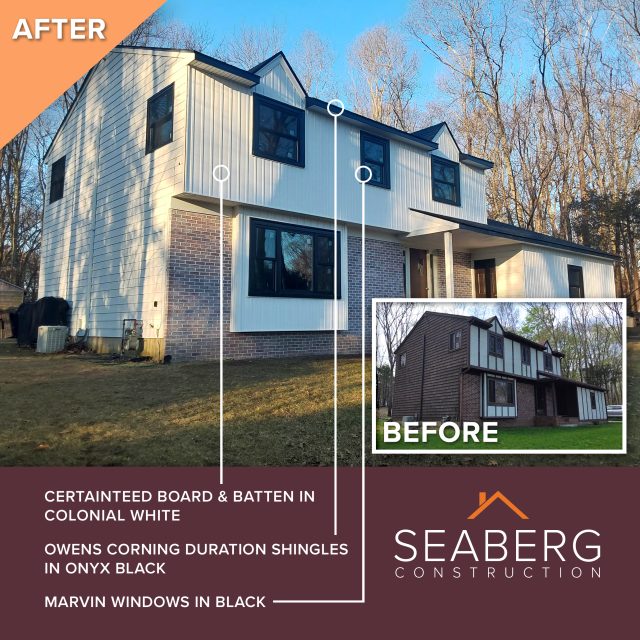
Historically used on barns and rural structures, board and batten consists of wide vertical panels (boards) with narrow strips (battens) covering the seams between them. Thanks to the rise of modern farmhouse design, board and batten vinyl siding has skyrocketed in popularity.
-
Best For: Modern Farmhouse, Rustic Cabins, Craftsman accents, and modern architectural homes.
-
Key Feature: Dramatic vertical lines that make low roofs or single-story structures appear taller.
Vertical Panel Siding
Sleeker and simpler than board and batten, standard vertical panels offer uninterrupted lines from soffit to foundation. They are often used strategically on entryway alcoves, gables, or modern accents to contrast with horizontal siding.
3. Shingle & Shake Vinyl Siding
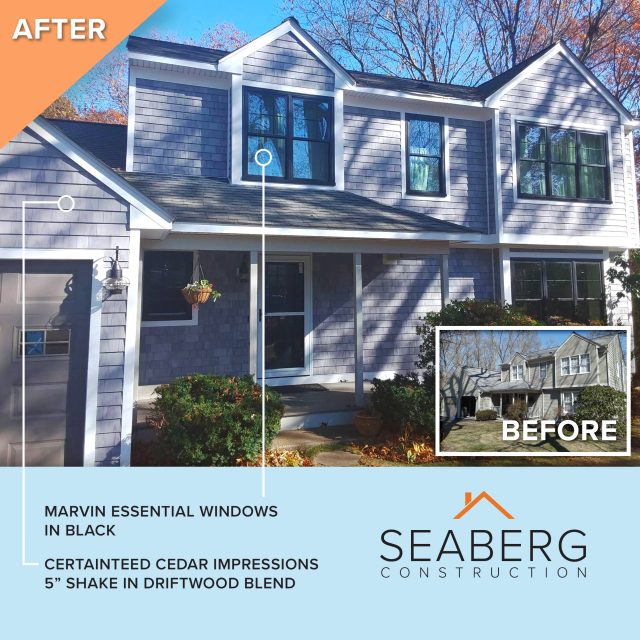
If you love the warm, rustic charm of authentic cedar shingles but dread the upkeep—repainting, rot, and insect damage—vinyl shake and shingle siding is the ideal solution. Modern molds are crafted from real cedar impressions, replicating realistic grain textures and hand-split edges.
Cedar Shake Siding
Replicating hand-cut wooden shakes, this style features rough-hewn textures and irregular bottom edges, giving your home a handcrafted, rugged appearance. Leading products like CertainTeed Cedar Impressions offer deep graining that makes it virtually indistinguishable from real wood.
-
Best For: Coastal homes, Craftsman bungalows, and rustic mountain retreats.
-
Key Feature: Deep shadow lines and rich grain detail.
Perfection Shingles
Unlike rugged shakes, perfection shingles offer uniform edges and clean, consistent lines. They create a more tailored, refined finish while maintaining natural wood texture.
-
Best For: Cape Cods, Cottage styles, and gables on traditional homes.
Half-Round & Scalloped Shingles
Featuring rounded bottom edges, scalloped shingles add a decorative, historic flair. They are almost exclusively used as accent siding on gables, dormers, or upper-story bays.
-
Best For: Victorian, Queen Anne, and Cottage-style architecture.
4. Specialty & Architectural Profiles
For homeowners looking to maximize energy performance or achieve unique architectural accents, specialized vinyl siding categories offer added functional and aesthetic value.
Insulated Vinyl Siding
Insulated siding features rigid foam backing permanently fused behind the vinyl panel. This fill eliminates air pockets between the siding and your home’s sheathing, significantly boosting thermal performance.
-
Thermal Efficiency: Adds an extra thermal barrier (R-value) to reduce heating and cooling costs, aligning with residential envelope guidance from EnergySaver.gov.
-
Durability: The solid backing makes the panels stiffer, increasing impact resistance against hail or flying debris and suppressing outside noise.
Vinyl Siding Profiles & Textures Compared
| Siding Style | Visual Aesthetic | Ideal Architectural Styles | Maintenance Level |
| Traditional Clapboard | Clean, horizontal overlapping lines | Colonial, Ranch, Cape Cod | Very Low |
| Dutch Lap | Carved shadow lines, dimensional | Traditional, Victorian | Very Low |
| Board & Batten | Rustic, dramatic vertical accents | Modern Farmhouse, Craftsman | Very Low |
| Cedar Shake / Shingle | Warm, textured wood-grain look | Coastal, Cottage, Craftsman | Very Low |
| Insulated Siding | Smooth or textured with a solid feel | Any (Energy-Focused Remodels) | Very Low |
Key Benefits of Choosing Modern Vinyl Siding
-
Unmatched Cost Efficiency: Compared to fiber cement, natural wood, or brick, vinyl offers one of the lowest upfront material and installation costs per square foot. Check out the latest Remodeling Magazine Cost vs. Value Report to see how vinyl siding consistently delivers an excellent return on investment.
-
Low Maintenance: Forget about scraping, priming, and painting every five years. Vinyl siding simply requires an occasional rinse with a garden hose.
-
Weather Resistance: High-quality vinyl panels resist moisture, rot, rust, and insect infestation, while engineered formulas prevent fading under harsh UV sunlight.
-
Design Versatility: Available in dozens of colors, profiles, and finishes (from smooth satin to deep wood grain), vinyl gives you complete creative control over your home’s exterior design.
How to Mix & Match Vinyl Siding Styles
You don’t have to stick to just one style for your entire home! In fact, mixing profiles is one of the effective exterior design techniques today.
-
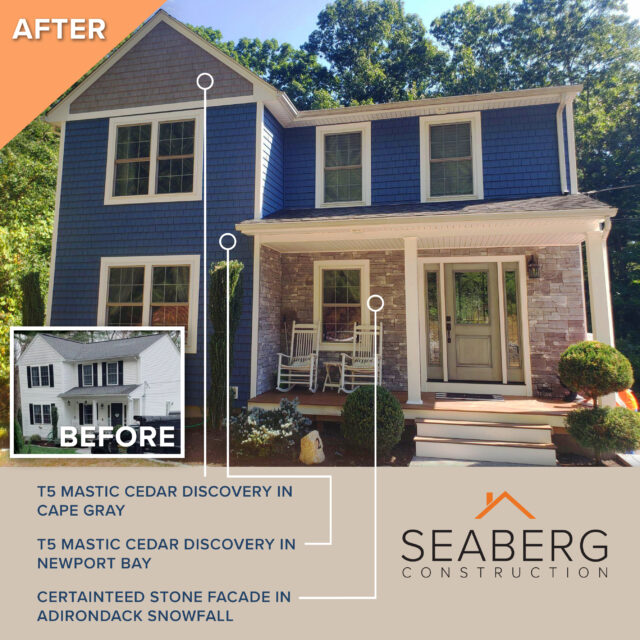
The Gable Accent: Pair horizontal lap siding on the primary lower walls with cedar shake or scalloped shingles on the upper gable peaks for subtle texture.
-
Modern Farmhouse Contrast: Combine white board and batten vertical siding on main feature walls with dark horizontal lap siding on wings or garages.
-
Material Mix: Combine vinyl lap siding with a stone veneer accent foundation or masonry porch pillars to ground your home’s profile.
Choosing the Right Siding for Your Home
When selecting your vinyl siding style, consider your home’s architectural lineage, neighborhood surroundings, climate conditions, and long-term goals for energy efficiency. To ensure your siding meets high quality and installation benchmarks, consult guidelines from the Vinyl Siding Institute. Working with an experienced, certified exterior contractor ensures proper moisture barrier installation, correct expansion spacing, and long-lasting performance for your investment.

Read Seaberg Construction’s Google reviews left by homeowners like yourself: https://tinyurl.com/kkxwhx8k
Follow us on Facebook: www.facebook.com/seabergconstruction and Instagram: www.instagram.com/seabergconstruction to stay up-to-date with our current projects and news.
To obtain your complimentary estimate from Seaberg Construction, please complete the form available on our website: https://seabergconstruction.com/about-us-roofing-company/contact-us/
And, don’t forget to read our other blog posts for more home improvement tips and ideas: http://seabergconstruction.com/home-owners-information-center/
Sources & References
-
Vinyl Siding Institute: The trade association for vinyl siding manufacturers, offering industry installation standards and product certifications.
-
EnergySaver.gov: Information on insulated siding and residential building envelope efficiency.
-
CertainTeed Exterior Building Products: Comprehensive style galleries and specifications for vinyl lap, shake, and board & batten profiles.
-
Remodeling Magazine Cost vs. Value Report: Annual home improvement cost-to-value analysis and exterior material return metrics.