

The 2026 Exterior Remodeling Buzz: What Homeowners Are Buzzing About Online (And What Contractors Know)
If you’ve scrolled through TikTok, Instagram, or Reddit lately, you’ve probably noticed that home exterior remodeling looks a bit different than it did a few years ago. Homeowners aren’t just looking for quick fixes anymore. With shifting weather patterns, rising utility bills, and evolving design tastes, the online conversation around roofing, siding, windows, and decks has completely shifted.
But social media doesn’t always give you the full technical story.
At Seaberg Construction, we’re answering these exact questions every day on the job site. Here is the real story behind the biggest home exterior trends and “industry buzz” dominating the internet right now—and how you can use them to maximize your home’s value, energy efficiency, and curb appeal.
1. Roofing: Debunking Viral DIY Myths & Navigating Low Slopes
Roofing forums are incredibly active right now. Homeowners are looking for ways to protect their properties while trying to combat rising energy costs, leading to some great questions—and a few dangerous viral myths.
The Low-Pitch Shingle Dilemma: Why Slope Matters
A massive topic of discussion online involves homeowners finding out during an estimate that a portion of their roof has a “low slope” (often over a porch, home addition, or garage). Many are left asking: “Why is my roofer refusing to put standard shingles on this section?”
In the roofing industry, roof pitch is determined by how many inches the roof rises vertically for every 12 inches it runs horizontally. A standard roof pitch is typically 4:12 or steeper. Pitches between 2:12 and 4:12 are considered low-slope, and anything under 2:12 is a flat roof.
Roof Pitch Categories & Requirements:
=============================================================================
Standard Pitch (≥ 4:12)   =======> Standard Architectural Shingles
Low Slope (2:12 to 4:12)  =======> Requires Advanced Specialty Underlayment
Flat Roof (< 2:12)        =======> Requires Single-Ply Membrane (TPO / EPDM)
=============================================================================
Forcing standard asphalt shingles onto a low-sloped roof without structural modifications is a recipe for disaster. Water does not shed quickly on flat pitches; instead, wind-driven rain can easily back up under the shingles, leading to trapped moisture and hidden plywood rot. Even worse, doing this violates manufacturer guidelines and completely voids your roof warranty.
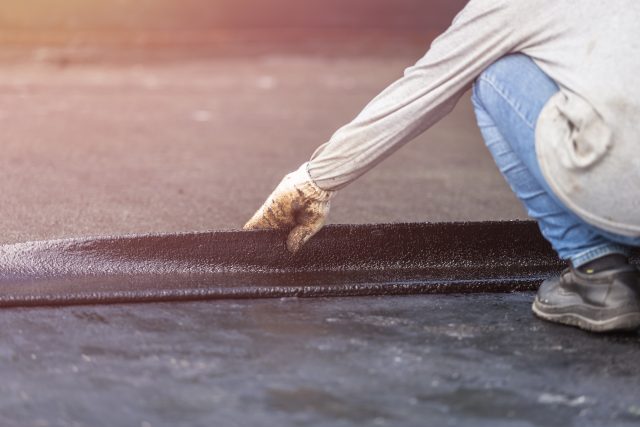
For low-slope transitions, a professional team will always recommend a continuous single-ply membrane like rubber membrane, Thermoplastic Polyolefin (TPO) or specialized self-adhering modified bitumen roll roofing to guarantee a 100% watertight seal.
The Viral Debate: Can You Paint Shingles White?
With summer heat waves pushing AC units to their limits, a viral trend has homeowners asking if they should paint their existing dark asphalt shingles with a reflective white elastomeric coating to save on cooling bills. The short answer is no!
While the theory of increasing solar reflectance makes sense, the reality is dangerous for your roof. Professional roofing authorities heavily warn against this. Painting asphalt shingles traps moisture inside the roofing system, accelerates granule loss, and can chemically compromise the shingles—causing them to curl, crack, and fail prematurely. If energy efficiency is your priority, the right move is investing in modern, energy-efficient shingles with embedded reflective granules or upgrading your attic ventilation system.
2. Siding: The End of “Stark White” & The Rise of Mixed Textures
The visual landscape of home exteriors is undergoing a massive design evolution, moving away from cold, high-contrast aesthetics toward richer textures.
The Shift to “Quiet Luxury” Color Palettes
Social media is officially moving away from the bright, stark white “modern farmhouse” look paired with bold black trim. Instead, design circles are buzzing about “quiet luxury”—a shift toward soft, organic, and warm exterior palettes. Homeowners are actively choosing warm creams, sophisticated taupes, earthy sage greens, and deep charcoal grays that blend harmoniously with nature rather than intensely standing out.
Mastering the “Rule of Three”
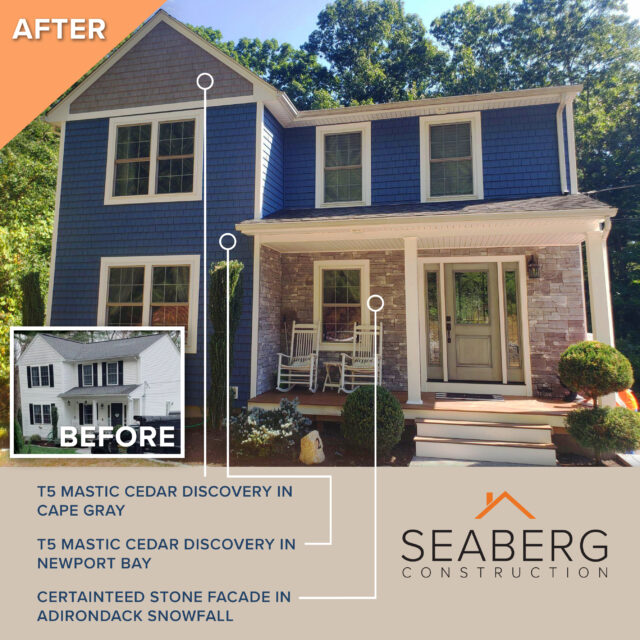
To keep a home from looking flat or boring, mixing siding profiles is highly popular right now. However, people frequently ask how to do this without making their house look chaotic. The secret used by professional exterior designers is the “Rule of Three”:
-
The Primary Body (60-70%): A classic horizontal lap siding in a soft, neutral tone.
-
The Accent Profile (20-30%): Vertical board-and-batten siding strategically placed on upper gables or entryways to create visual height.
-
The Grounding Element (10%): A structural texture, like stone veneer or cedar-look accents, at the foundation line or wrapped around porch columns.
Fiber Cement vs. Premium Vinyl Siding
The budget-versus-longevity debate continues to rage online. Homeowners want to know if the higher upfront cost of fiber cement (like James Hardie) is truly worth it over vinyl.
-
Fiber Cement: Exceptionally durable, fire-resistant, and completely mimics real wood grain. It offers an incredible return on investment (ROI) for homeowners looking for permanent, premium durability.
-
Premium Insulated Vinyl: Modern, thick-gauge vinyl is vastly superior to the cheap plastics of the past. When paired with contoured foam backing, it adds structural rigidity, boosts your home’s insulation R-value, and provides excellent dent resistance at a more accessible price point.
3. Windows & Doors: Fortifying the “Thermal Envelope”
Energy costs are driving homeowners to scrutinize the weaker points of their home’s construction: their windows and doors.
The Drywall Return Backlash
Minimalist interior design popularized the trend of “drywall window returns”—where the wall’s drywall wraps directly into the window frame without any wood trim or casing. While it looks clean in pictures, a massive wave of complaints online has exposed its flaw.
Without traditional wood or PVC casing, minor window condensation or a small leak will instantly saturate the drywall. This leads to bubbling paint, soft corners, crumbling plaster, and hidden mold. For long-term peace of mind, traditional wood or moisture-resistant PVC interior casings remain the gold standard for protecting your walls.
The “Envelope” Strategy for Energy Savings
A common question asked by homeowners trying to maximize their remodeling budget is: “Should I replace my aging windows or upgrade my siding first?”
From a building science perspective, doing both simultaneously yields the highest return. When you bundle high-efficiency windows with a wrap-around siding replacement, you form a completely unbroken, sealed exterior envelope. This prevents thermal bridging (heat leaking through the wall studs) and dramatically slashes the workload on your heating and cooling systems.
4. Decks: The Hard Pivot to Low-Maintenance Luxury
Outdoor living spaces are being treated as true extensions of the home’s interior layout, meaning homeowners want indoor-level comfort with zero outdoor maintenance chores.
Ripping Out Wood for Composite Longevity
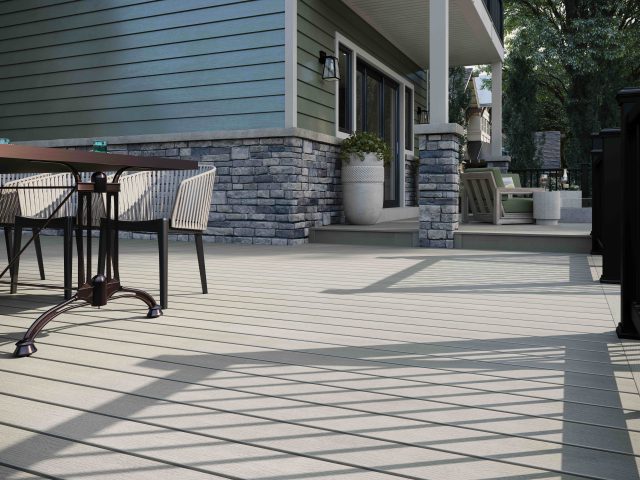
No one wants to spend their spring weekends power-washing, sanding, and staining a rotting, splintering pressure-treated wood deck. The dominant conversation in outdoor living is the transition to capped composite or PVC decking systems (like TimberTech or Trex).
Modern composites feature advanced polymer shells that resist scratching from pet claws, repel deep stains from barbecue grease, and completely eliminate the risk of splinters. Furthermore, newer premium composite boards are engineered with heat-dissipating technology, keeping the deck surface significantly cooler under bare feet during peak summer months.
Sleek, Obstructed-Free Railings
To complete the modern look, traditional chunky wood balusters are out. Homeowners are pairing their new composite decks with sleek, matte-black aluminum or horizontal stainless steel cable railings. These systems provide incredible structural integrity while virtually disappearing into the background, opening up unobstructed views of the backyard.
Stop Budgeting for Band-Aids
Taking a piecemeal approach to exterior home repairs often ends up costing more in cumulative labor and recurring damages. Protecting your home means looking at the big picture.
Whether you need to secure your roof, upgrade to insulated siding, replace drafty windows, or build a beautiful, maintenance-free deck, Seaberg Construction is here to help you navigate the process seamlessly.
Ready to make your home remodeling goals a reality without wiping out your savings? We make it easier than ever with 6 Months of No Interest and No Payments on your project (credit approval required). Get the premium craftsmanship your home deserves today, completely stress-free.
Contact Seaberg Construction Today or call us at 401-499-3891.

Read Seaberg Construction’s Google reviews left by homeowners like yourself: https://tinyurl.com/kkxwhx8k
Follow us on Facebook: www.facebook.com/seabergconstruction and Instagram: www.instagram.com/seabergconstruction to stay up-to-date with our current projects and news.
To obtain your complimentary estimate from Seaberg Construction, please complete the form available on our website: https://seabergconstruction.com/about-us-roofing-company/contact-us/
And, don’t forget to read our other blog posts for more home improvement tips and ideas: http://seabergconstruction.com/home-owners-information-center/
References & Industry Sources
-
Building Envelope Performance: Review regional insulation and window guidelines via the Energy Star Official Site.
-
Roofing Pitch Codes & Technical Manuals: Learn more about low-slope roofing regulations from the National Roofing Contractors Association (NRCA).
-
Home Remodeling Cost vs. Value Data: Cross-reference regional returns on siding and window investments at the Remodeling Cost vs. Value Report.